If this is an emergency, call (980) 737-9118 for immediate assistance.

American Restoration Disaster Specialist
Wind Damage to Aluminum Siding and Repairs
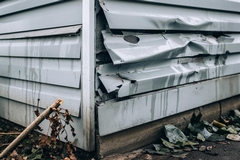
Residents of Charlotte, NC are no strangers to the powerful winds that can sweep through the area, leaving destruction in their wake. These gusts can really wreak havoc on homes, particularly those with aluminum siding. Understanding how wind damage to aluminum siding occurs and how to address it is key to maintaining the integrity and aesthetic appeal of your property. A reliable restoration company in Charlotte and its nearby areas can be invaluable when addressing such issues, whether it's through repairs or complete replacements.
Aluminum siding is popular due to its durability and minimal maintenance requirements. However, it’s not entirely impervious to Mother Nature. The structural integrity of aluminum siding can be compromised by strong winds, leading to a series of potential issues. This blog will explore how wind damage to aluminum siding happens, what signs to look for, and how professional repair solutions can restore your home’s exterior to its former glory. Whether you are a homeowner or a property manager, understanding these nuances will keep you ahead of potential damage.
How Wind Damages Aluminum Siding
Wind acts as a relentless force against any outdoor surface. The primary way wind damage to aluminum siding occurs is through the force and direction of wind gusts. Strong winds can either bend or displace individual panels of aluminum siding. In severe cases, entire sections may be torn away from the underlying structure. This not only exposes your home to the elements but can also result in significant repair costs if not addressed promptly.
The direction and force of the wind play a significant role in determining how much damage your aluminum siding will sustain. Winds hitting directly on the side of a building can be more damaging than those glancing off at an angle. As the wind pries into small cracks or loose panels, it exposes more of the building's vulnerable underlying layers. This exposure can lead to water intrusion, which can exacerbate the problem by causing mold or mildew growth within your walls.
Telltale Signs of Wind Damage
It’s crucial to routinely inspect your property for any signs of wind damage, especially after a storm. Visible signs may include bent or missing aluminum panels, gaps or loose pieces of siding, and water stains on the interior walls, which indicate a breach in the siding’s protective barrier. Even if the wind damage to aluminum siding is not immediately apparent, subtle signs such as rattling sounds from siding panels during windy days can indicate potential problems. These signs often warrant a closer inspection and possibly professional intervention.
Taking proactive measures by occasionally checking the alignment and fastening of your siding can help prevent extensive damage. If left unchecked, even minor damage can escalate, leading to costly repairs or replacements. Remember, addressing damage early can save substantial resources in the long run.
Repairing Wind-Damaged Aluminum Siding
Repairing wind-damaged aluminum siding requires assessing the extent of damage and choosing the appropriate course of action. In some cases, simple repairs such as repositioning and securing loose panels may suffice. For more extensive damage, replacing specific sections with matching siding might be necessary. The repair process often begins with a thorough assessment by professionals who can determine whether individual panel replacements are efficient or if a complete overhaul is more practical.
Steps for Addressing Wind Damage to Aluminum Siding:
- Inspect the Damage: Conduct a thorough check of the entire exterior, noting any visible damage or unsecured panels.
- Secure Loose Panels: Reattach or secure any panels that have come loose but are otherwise undamaged.
- Replace Damaged Sections: Replace severely bent or missing sections with matching aluminum siding to prevent future issues.
- Consider a Full Replacement: For widespread damage, a full siding replacement may be more cost-effective than continuous repairs.
- Professional Assistance: Hiring a restoration company like American Restoration ensures high-quality repairs done efficiently.
By methodically assessing the damage and choosing the right repair strategy, homeowners can restore the siding’s functionality and aesthetic.
Preventive Measures to Minimize Future Wind Damage
One of the best ways to protect your home from future wind damage to aluminum siding is by investing in preventive measures. Regular maintenance and timely repairs ensure that your siding remains secure against high winds. Inspect your siding at least once a year and following heavy storms to catch potential issues early on.
Additionally, consider upgrading to modern siding systems designed to withstand higher wind loads. Boosting the wind resistance of your siding doesn’t just prevent damage but can also enhance your home’s overall energy efficiency and curb appeal.
Another preventive strategy is landscaping design. By strategically planting shrubs or trees around your home, you can potentially deflect wind, reducing its direct impact on your siding.
Professional Restoration Services Make a Difference
Choosing a reliable restoration service is crucial for repairing wind damage to aluminum siding effectively. Professional restoration companies provide specialized knowledge and tools that ensure the job is done right. With an in-depth understanding of how wind interacts with structures, professionals can deliver effective solutions specific to your home’s needs.
Homeowners can rely on storm damage restoration services in Charlotte and its nearby areas to respond swiftly to damage events and restore their homes. Whether it's wind-damaged aluminum siding or a leaky roof, professional services have the expertise and equipment necessary to manage repairs efficiently.
Moreover, investing in a good restoration service can save you money by reducing the need for frequent fixes. Their seasoned professionals carry out repairs that last, using quality materials and employing industry-leading practices.
Reach Out for Reliable Restoration Services
Residents dealing with wind damage know how daunting the repair process can be. From securing a contractor to understanding repair costs, various factors can make the task seem overwhelming. Residents in North Carolina can trust storm damage restoration in areas like Gramling experts to minimize disruption and restore normalcy swiftly. Their services extend beyond just repairs, offering holistic solutions including preventive consultations and maintenance advice to fortify your home against future incidents.
American Restoration is your trusted ally in Charlotte, NC, and surrounding areas. If you're facing wind damage or need guidance on shielding your home, reach out to them. Their comprehensive service offerings ensure your property remains a safe haven through every season. With their help, you can transform the challenges of wind damage into an opportunity for reinforced protection, rejuvenated home aesthetics, and peace of mind.
Recent Posts
-
Wind Damage to Aluminum Siding and Repairs
August 01, 2026
-
Mold Remediation and Dry Fog: How It Works
July 23, 2026
-
Drainage Mold: Causes and How to Prevent It
July 21, 2026