If this is an emergency, call (980) 737-9118 for immediate assistance.

American Restoration Disaster Specialist
Does Alcohol Kill Mold or Only Clean the Surface?
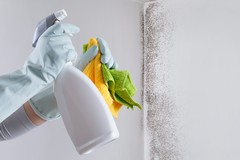
Reach for a bottle of rubbing alcohol when you spot a fuzzy patch on the bathroom ceiling, and you might feel like you have the problem handled. Alcohol is a common household staple, and it has a reputation for wiping out germs. But when it comes to mold, the question of whether alcohol kill mold or simply removes what you can see is more complicated than most people expect. As a trusted restoration company in Charlotte, NC, we hear this question often from homeowners hoping for a quick fix.
The short answer is that alcohol can kill some surface mold, but it rarely solves the deeper problem. Mold is a living organism with roots that reach beneath the visible surface, and a splash of alcohol usually treats only the top layer. Understanding what alcohol actually does, and where it falls short, can save you from a recurring headache and a much larger repair bill down the road.
How Alcohol Interacts With Mold
Alcohol, whether it is isopropyl (rubbing alcohol) or ethanol, works by breaking down the cell walls and proteins of microorganisms. On a hard, nonporous surface with light mold growth, it can be effective at killing the mold cells it directly contacts. That is why some people report success wiping down glass, sealed countertops, or plastic with an alcohol solution.
The catch is concentration and contact. For alcohol to do meaningful damage to mold, it generally needs to be in the range of 60 to 90 percent and stay in contact long enough to work. Too diluted, and it simply spreads spores around. Too quick a wipe, and it evaporates before it finishes the job. So while the idea that alcohol kill mold has some truth on the surface, the conditions have to be right, and the mold has to be shallow.
The Difference Between Killing and Removing
Here is where many people get tripped up. Killing mold and removing mold are two different things, and neither one alone guarantees a clean, healthy space. Even after mold is dead, the spores and the dead material can still trigger allergies and respiratory irritation. Dead mold left on a surface can also become a food source for new growth if moisture returns.
When you wipe a surface with alcohol, you may kill and remove some of the visible growth at the same time. But if the mold has penetrated a porous material like drywall, wood, grout, or ceiling tile, the alcohol only reaches the surface. The roots, known as hyphae, stay embedded in the material and continue to spread. This is the core reason a quick alcohol treatment so often leads to mold coming right back a few weeks later.
Where Alcohol Falls Short
Porous surfaces are the biggest limitation. Alcohol cannot soak deep enough into drywall or wood to reach the entire colony, and once mold has taken hold in these materials, surface treatment simply is not enough. The affected material usually needs to be removed and replaced rather than cleaned.
The other issue is that alcohol treats a symptom, not the cause. Mold grows because there is a moisture problem, whether that is a leaky pipe, poor ventilation, high humidity, or lingering dampness from a past flood. If you kill the mold you can see but leave the moisture source untouched, new colonies will form. This is why professional remediation always focuses on identifying and correcting the source of water. If you have dealt with a recent leak or flood, addressing the underlying issue is just as important as the cleanup, something our team handles as part of comprehensive water damage restoration in Charlotte and across tthe region.
Alcohol also comes with practical drawbacks. It is flammable, it releases strong fumes, and it can damage certain finishes and materials. Using it in a poorly ventilated area or in large quantities is not safe, and it is no substitute for the containment and air filtration used in professional settings.
When a Household Cleaner Is Enough
Not every spot of mold requires a professional. If you catch a small patch early on a hard surface, and the area is smaller than roughly a square meter, a careful cleaning can often take care of it. In these limited situations, alcohol or another appropriate cleaner may do the trick, as long as you also fix whatever caused the moisture.
To handle a small surface issue responsibly, keep these points in mind:
- Use alcohol at 60 to 90 percent concentration and let it sit rather than wiping immediately.
- Wear gloves and eye protection, and ventilate the space well.
- Only treat hard, nonporous surfaces, and dispose of any cleaning materials afterward.
- Address the source of moisture so the mold does not return.
If the mold keeps coming back, covers a large area, appears on porous materials, or shows up alongside a musty smell you cannot locate, those are signs the problem runs deeper than a surface treatment can fix. The question of whether alcohol kill mold becomes almost irrelevant at that point, because the real issue is hidden growth and ongoing moisture that a spray bottle simply cannot reach.
Why Professional Remediation Matters
Mold remediation is about more than wiping surfaces. Trained technicians assess the full extent of the growth, contain the area to prevent spores from spreading, remove contaminated materials, treat the space with professional-grade products, and address the moisture source that started it all. This thorough approach is what actually keeps mold from returning, rather than treating the same spot over and over.
Because mold and water problems so often go hand in hand, restoration work frequently involves drying out structures, repairing hidden leaks, and restoring damaged materials. Homeowners dealing with lingering dampness or flood aftermath, whether they need help in Charlotte and the surrounding areas or specialized water damage restoration in Caroleen, NC, benefit from a team that treats the whole problem instead of just the visible symptoms. If you are unsure how bad a situation has become, our 24/7 emergency response team can help you assess it quickly.
So does alcohol kill mold? It can knock out shallow surface growth under the right conditions, but it is not a reliable long-term solution and it does nothing to fix why the mold appeared in the first place. For small, early spots on hard surfaces, a careful cleaning may be all you need. For anything larger, recurring, or growing on porous materials, professional help is the smarter path.
If mold has become a stubborn presence in your home or business, do not wait for it to spread. Reach out to American Restoration for an honest assessment and a plan that treats the root cause, not just the surface, so you can breathe easier for good.
Recent Posts
-
Electrical Fire Safety: How to Put One Out the Right Way
October 01, 2026
-
Fall Temperatures in Charlotte, NC and What They Mean for Homeowners
September 23, 2026
-
What Professionals Look for During a Wind Damage Inspection
September 21, 2026