If this is an emergency, call (980) 737-9118 for immediate assistance.

American Restoration Disaster Specialist
Drying Out Water Damage: Best Practices for Recovery
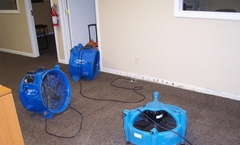
Water damage can strike at any time, leaving homeowners in a state of confusion and stress. Whether from a swift storm, a burst pipe, or an overflowing bathtub, the havoc it wreaks can be extensive. Fortunately, with prompt and effective action, recovering from water damage is manageable. This is where drying out water damage becomes a crucial process for restoring normalcy to affected homes and buildings. By leveraging Charlotte-area disaster restoration services, homeowners can mitigate further damage and embark on a path toward complete recovery.
Understanding the nature of water damage recovery involves more than just drying out your floors and walls. Each instance of water damage presents unique challenges and complexities, requiring a thorough understanding of the restoration process. This blog will explore the best practices for drying out water damage, providing key insights and strategies to help you navigate the recovery journey. From understanding the initial signs of water intrusion to implementing effective drying techniques, we aim to equip you with the knowledge to protect your property and loved ones.
The Anatomy of Water Damage
Water damage is a deceptive intruder; it often lurks behind walls or under floors before it reveals itself. At its core, water damage involves the absorption of water into building materials, leading to structural deterioration, mold growth, and potential health hazards. Recognizing the early signs is crucial. Warped floors, bubbling paint, and a musty odor are often harbingers of more severe issues lurking beneath the surface.
Understanding the types of water damage is fundamental to recovery. Typically, water damage is classified into three categories: clean water, gray water, and black water, each necessitating different recovery approaches. Clean water comes from sources like rain or broken water supply lines and poses no significant health threat. Gray water, from dishwashers or washing machines, may contain contaminants. Black water, the most dangerous, contains harmful bacteria and toxins, often from sewage or floodwater. Proper identification aids in determining the appropriate drying and restoration methods.
Initial Steps in Water Damage Restoration
Once water damage has been identified, action must be taken immediately. The first step in drying out water damage involves assessing the extent of the damage. This typically requires enlisting a professional restoration service with the expertise to evaluate both visible and hidden damage. Such services can help prevent secondary damage, including mold growth and structural weakening, which can drastically increase recovery time and costs.
Safety should always be a priority. Before starting any restoration activities, ensure that the affected area is safe. This may involve turning off electricity, wearing protective gear, and avoiding contact with contaminated water. Only once safety is secured should you proceed with the drying process.
Effective Drying Techniques
Once the initial safety concerns have been addressed, it's time to focus on drying out water damage effectively. Speed and thoroughness are essential in this regard. The longer water sits, the more it will seep into materials and worsen the damage.
- Air Flow: One of the simplest yet most effective ways to start the drying process is by enhancing air circulation. Open windows and doors if conditions allow, and use fans and dehumidifiers to accelerate evaporation and reduce ambient humidity.
- Dehumidification: High-powered commercial dehumidifiers are especially effective in large spaces, absorbing moisture from the air much faster than standard home dehumidifiers. These should run continuously, allowing the moisture extracted to be properly disposed of outside.
- Specialized Equipment: Depending on the severity, other drying methods such as air movers and heavy-duty drying mats might be required. Air movers focus on creating optimal air circulation over surfaces, while drying mats apply direct suction to extract moisture from areas like hardwood floors.
Preventing Secondary Damage
A critical element of drying out water damage is understanding how to prevent secondary problems like mold growth and structural deterioration. Mold can begin to develop within 24 to 48 hours, resulting in additional health risks and complications to the restoration process.
Controlling the moisture level is key to mold prevention. Consistent use of dehumidifiers, along with regular checks for residual moisture in hidden areas, helps maintain an environment less favorable for mold spores. Additionally, antimicrobial treatments are often employed by professionals to disinfect affected areas and inhibit mold proliferation.
Professional Restoration Services Versed in Water Damage
The complexity and urgency of water damage recovery make professional services indispensable. Companies specializing in water damage restoration bring experience and sophisticated equipment to the task, ensuring that properties are not only dried thoroughly but are also fully restored to a safe and habitable condition.
Leveraging commercial restoration services in Charlotte and its surrounding areas ensures a high standard of recovery. Experts can accurately assess and respond to the full scope of the damage, including those hard-to-spot areas that are often overlooked. This comprehensive approach not only saves homeowners time and stress but also safeguards their investment by preventing long-term deterioration.
Monitoring and Adjusting the Recovery Process
As the drying process progresses, continual monitoring is essential. This involves frequent moisture readings and visual inspections to ensure that the areas are drying effectively. Adjustments may need to be made by repositioning fans, introducing additional drying equipment, or reapplying antimicrobial solutions.
Documentation during this phase is highly beneficial. Keeping detailed records of the water damage, the drying methods applied, and the progress can assist in insurance claims and future preventative measures. Make sure to work closely with your restoration team to share and understand these findings.
The Value of Preventative Measures
While drying out water damage effectively is imperative, prevention is always the best cure. Once your home is restored, adopting preventative measures can help protect against future incidents. Consider installing sump pumps, backwater valves, and regularly inspecting and maintaining your roof and gutters to minimize future risks.
Embrace the use of water leak detectors and automatic shut-off systems that alert you to water intrusion as soon as it happens. Incorporating these technologies can provide peace of mind and help you act swiftly, reducing potential damage significantly.
In nearby areas, homeowners facing threats like storm damage can benefit greatly from understanding these preventative and responsive measures. Implementing these strategies not only aids in immediate recovery but fortifies homes against future water-related emergencies.
Restoring Normalcy with American Restoration
Recovering from water damage is a daunting task, but with the right approach and resources, your home can be restored to its former glory. American Restoration services stand ready to assist those in need across Charlotte and beyond, offering specialized water damage restoration in areas like Forest City to ensure homes are safe, dry, and comfortable once again.
By entrusting your recovery to seasoned professionals, you gain access to advanced technology and experienced teams dedicated to protecting your property and well-being. Reach out today to learn how American Restoration can support your journey toward a water-damage-free future.
Recent Posts
-
Does Alcohol Kill Mold or Only Clean the Surface?
October 03, 2026
-
Electrical Fire Safety: How to Put One Out the Right Way
October 01, 2026
-
Fall Temperatures in Charlotte, NC and What They Mean for Homeowners
September 23, 2026