If this is an emergency, call (980) 737-9118 for immediate assistance.

American Restoration Disaster Specialist
Electrical Fire Safety: How to Put One Out the Right Way
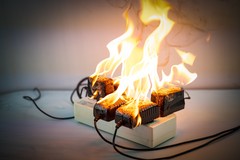
Electrical fires behave differently than most other household fires, and one wrong move can turn a manageable situation into a life-threatening emergency. Grabbing a cup of water might feel like the natural response, but with an electrical fire, water can conduct the current straight back to you. Knowing how to correctly put out an electrical fire is one of the most valuable pieces of safety knowledge a homeowner can have, and it can make the difference between a small scare and a devastating loss.
As a trusted restoration company in Charlotte, we have seen how quickly electrical fires can spread through walls, outlets, and appliances. The good news is that with a clear plan and a few essential precautions, you can respond calmly and protect your family. Below, we walk through how to recognize the danger, extinguish the flames safely, and handle the aftermath the right way.
What Makes Electrical Fires So Dangerous
Electrical fires often start out of sight, hidden inside walls, behind outlets, or within overloaded circuits and aging wiring. By the time you see visible flames or smell that distinct burning plastic odor, the fire may already have a foothold. This hidden nature is exactly what makes them so hazardous, because the source of the fire is still energized and actively fueling itself.
The biggest risk factor is electricity itself. As long as power continues flowing to the affected area, the fire has a constant ignition source, and any water-based extinguishing attempt becomes extremely dangerous. Common culprits include faulty wiring, overloaded power strips, damaged appliance cords, and older electrical panels that cannot handle modern energy demands. Understanding these causes helps you stay alert to the warning signs, such as flickering lights, warm outlet covers, or a persistent burning smell with no clear source.
The First Step: Cut the Power
Before you attempt anything else, your first priority should be stopping the flow of electricity. If it is safe to do so, unplug the affected device or, better yet, shut off power at the breaker box. Removing the electrical source transforms the fire from an electrical hazard into an ordinary fire, which is far safer and easier to manage. This single step dramatically changes your options for how to put out an electrical fire.
If you cannot reach the breaker safely, or if the fire is spreading faster than you can respond, do not waste time. Get everyone out of the home immediately and call 911 from a safe distance. No possession is worth risking your life, and firefighters are equipped to handle situations that have grown beyond a homeowner's control.
How to Safely Put Out an Electrical Fire
Once you have assessed the situation and, if possible, cut the power, you can move to extinguishing the flames. The method you choose matters enormously. Never use water on an active electrical fire while power is still flowing, because water conducts electricity and can cause severe shock or electrocution. Instead, rely on tools designed for this exact scenario.
The safest and most effective approach follows a few clear priorities:
- Use a Class C fire extinguisher, which is specifically rated for electrical fires and uses non-conductive materials to smother the flames.
- If you do not have an extinguisher, baking soda can smother small electrical fires because it releases carbon dioxide as it heats.
- For a very small, contained fire, cutting off oxygen with a heavy blanket or a non-flammable cover may help, but only if you can do so without putting yourself at risk.
- When in doubt, evacuate and let professionals handle it rather than risking injury.
Every home should have at least one multipurpose extinguisher rated for A, B, and C fires, kept in an accessible location such as the kitchen or garage. Knowing where it is and how to use it before an emergency strikes is critical, because those first seconds are when a fire is most controllable.
What to Avoid When Fighting an Electrical Fire
Panic leads to mistakes, and with electrical fires the mistakes can be deadly. The most common and most dangerous error is throwing water on flames while the circuit is still live. Beyond the electrocution risk, water can also cause the fire to spread if grease or other flammable materials are involved.
Another mistake is underestimating how fast a fire can grow. What looks like a small flame at an outlet can travel through wall cavities in minutes. If your extinguisher empties and the fire is not fully out, or if the flames are near the ceiling, stop trying to fight it and leave. Similarly, avoid reopening a room where you suspect a fire may still be smoldering behind walls, since introducing fresh oxygen can reignite hidden flames. Trust your instincts, and remember that property can be restored while lives cannot.
After the Fire: Dealing With the Damage
Even a fire that seems minor can leave behind more damage than you expect. Smoke residue settles into porous surfaces, soot spreads through your HVAC system, and lingering odors can penetrate drywall, insulation, and personal belongings. The corrosive nature of soot can also continue damaging metals, electronics, and finishes long after the flames are gone, which is why prompt cleanup is so important.
This is where professional help becomes essential. A qualified team can assess structural integrity, remove smoke and soot safely, perform water damage restoration in Charlotte from firefighting efforts, and restore your home to a healthy, livable condition. Our team provides thorough fire damage restoration in Campobello, SC and throughout the region, helping families recover quickly after fire and smoke events. When an emergency happens at an unpredictable hour, our 24/7 emergency response means help is available whenever you need it.
Prevention Is the Best Protection
The most effective way to deal with an electrical fire is to keep one from ever starting. Avoid overloading outlets and power strips, replace frayed or damaged cords immediately, and have an electrician inspect older wiring, especially in homes that are several decades old. Never run cords under rugs or furniture where heat can build up unnoticed, and be mindful of space heaters and other high-draw appliances.
Regular maintenance goes a long way. Test your smoke detectors monthly, replace batteries as needed, and keep at least one working fire extinguisher on every level of your home. These simple habits give you both early warning and the tools to act quickly. Learning how to put out an electrical fire is important, but preventing the conditions that cause one is even better.
Fire is one of the most stressful events a family can face, and knowing how to respond confidently makes all the difference. Cut the power first, use the right extinguisher, never reach for water on a live circuit, and never hesitate to evacuate when the situation grows beyond your control. These principles are the foundation of safely handling any electrical fire, whether it happens in Charlotte, NC or the surrounding areas.
When the smoke clears, recovery is the next chapter, and you do not have to face it alone. If your home or business has suffered fire or smoke damage, reach out to our team for a fast, thorough assessment and a clear path back to normal. Contact American Restoration today to learn how we can help you rebuild and restore with confidence.
Recent Posts
-
Electrical Fire Safety: How to Put One Out the Right Way
October 01, 2026
-
Fall Temperatures in Charlotte, NC and What They Mean for Homeowners
September 23, 2026
-
What Professionals Look for During a Wind Damage Inspection
September 21, 2026