If this is an emergency, call (980) 737-9118 for immediate assistance.

American Restoration Disaster Specialist
Does Water Damage Marble or Just Stain It?
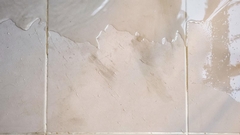
Marble, a material renowned for its classic beauty, elegance, and timeless appeal, stands tall in architectural designs around the world. But maintaining its pristine condition requires understanding its vulnerabilities. A question that often arises in this context is: does water damage marble? This is a crucial consideration for homeowners and businesses seeking to preserve the beauty and functionality of their marble investments. For a restoration company in Charlotte and its nearby cities, addressing this question is part of providing comprehensive care and maintenance services that ensure longevity and aesthetic integrity.
Understanding the impact of water on marble is not just about aesthetics. It's about preserving value, preventing potentially costly repairs, and maintaining safety, particularly in high-traffic areas. Water exposure can lead to specific types of damage or staining, each with its own implications and treatment requirements. As we navigate this topic, we'll explore the nuances of how water affects marble, followed by insights into protection, maintenance, and restoration options.
The Nature of Marble and Water Interaction
Marble is a metamorphic rock composed primarily of calcium carbonate. This composition makes it particularly susceptible to chemical reactions with acidic substances, which include more than what one might find in a kitchen or bathroom. Even seemingly harmless water can, over time, contribute to certain types of damage. So, when asking "does water damage marble," it becomes essential to first consider water's composition and the duration of exposure.
Water Stains vs. Water Damage
The distinction between staining and actual water damage is substantial. Stains often appear as dark spots due to water absorption, where the stone temporarily darkens as it holds moisture. These stains generally lighten and disappear as the water evaporates, leaving no residue or lasting damage. Typical prevention includes sealing the marble, a process that creates a barrier to slow water penetration while keeping the marble’s surface easy to clean.
Conversely, water damage implies a deeper and potentially more severe impact, resulting in permanent effects or deterioration. It can involve etching, where water's acidity, often due to mineral content or additives like soaps, causes dull spots as the marble's surface reacts and erodes. Prolonged water exposure without adequate sealing can also lead to structural integrity issues, causing cracks or crevices to form.
Recognizing Potential Challenges and Solutions
To prevent these issues, understanding potential challenges ahead of time is critical. Ensuring marble surfaces in Charlotte, NC, are adequately protected should be a top priority for any property owner. Here are key precautionary measures that could prove beneficial:
- Regular Sealing: Sealing should be performed regularly to ensure that the surface remains resistant to water absorption. The frequency can vary depending on the marble's usage and location.
- Immediate Cleaning of Spills: Prompt cleaning of water or any other liquid can prevent the initial seepage that leads to staining.
- Gentle Cleaning Agents: Use pH-neutral cleaning solutions, which are less likely to interact adversely with marble’s composition, preventing etching over time.
Reliable Restoration and Maintenance
Local businesses and residents can avail themselves of professional services like water damage restoration in Charlotte and beyond, which include regular maintenance inspections, specialized cleaning, and repair work when necessary. These services are crucial for identifying underlying problems that may not be visible immediately.
When considering water's effect on marble, simple maintenance practices can often prevent minor issues from escalating. It's vital to understand when to call in professionals, especially if you notice discoloration that doesn’t fade or the appearance of surface etching that affects the marble's sheen and texture.
Professional Insights from the Restoration Industry
Professionals from the restoration industry offer an invaluable perspective on maintaining marble's beauty and resilience. They often emphasize the importance of context - a bathroom will have different requirements from a countertop in a kitchen. Similarly, regions like Charlotte, NC, with varying humidity and temperature changes throughout the year, might require different care strategies compared to other climates.
Beyond maintenance, services often include refinishing marble surfaces. This involves grinding down the surface to remove a very thin layer, eliminating etch marks and scratches while restoring the natural gloss marble is celebrated for. Following refinishing, a fresh sealant application further safeguards the stone against future incidents.
Practical Tips for Marble Maintenance
To facilitate ongoing maintenance and protection, here's a succinct list of strategies tailored for homeowners:
- Test Seal Regularly: Sprinkle a few drops of water on the marble. If it beads up, the seal is still effective. If it soaks in, it may be time for resealing.
- Wipe Immediately: Always wipe up water or spills as soon as they occur.
- Avoid Abrasive Cloths: Use soft cloths or sponges to prevent scratching the surface.
Choosing Reliable Partners in Restoration
For those uncertain about the state of their marble surfaces or the steps to take when faced with potential water damage, connecting with experienced professionals often yields the best results. Companies specializing in commercial restoration services in Charlotte, NC, dedicate their efforts to preserving the innate beauty and strength of marble, safeguarding their clients' investments.
Beyond immediate services, such companies can provide guidance on long-term care to prevent repeated damage, helping property owners optimize their environmental care and material selection processes in fast-growing cities.
Securing Longevity for Marble Surfaces
Ultimately, when discussing "does water damage marble," it's vital to consider both immediate maintenance actions and the broader context of preserving such valuable materials. The combination of professional expertise, regular care and maintenance, and homeowners' vigilance forms the cornerstone of extending the life of marble installations. Whether it's biohazard cleanup in areas like Harris or routine marble maintenance, leveraging local expertise ensures that all specificities are addressed effectively.
For anyone facing water-related marble concerns, reaching out to professional restoration services can provide not only immediate solutions but also strategic advice on achieving long-lasting results. Contact American Restoration today to learn about how to address your marble maintenance and broader restoration needs, securing your surfaces today and into the future.
Recent Posts
-
Electrical Fire Safety: How to Put One Out the Right Way
October 01, 2026
-
Fall Temperatures in Charlotte, NC and What They Mean for Homeowners
September 23, 2026
-
What Professionals Look for During a Wind Damage Inspection
September 21, 2026