If this is an emergency, call (980) 737-9118 for immediate assistance.

American Restoration Disaster Specialist
How to Prevent Sewage Backup During Flood Conditions
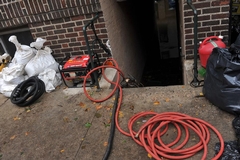
Flooding is an unpredictable natural disaster that can lead to numerous problems, including the daunting challenge of sewage backup. For residents seeking emergency restoration services in the Charlotte area, understanding how to prevent sewage backup during flood conditions is crucial. This knowledge not only keeps your property safe but also maintains the health and safety of your loved ones. In this blog, we will explore practical strategies and proactive measures to tackle this issue.
Unlike other types of water damage, a sewage backup is particularly hazardous due to the presence of bacteria and harmful substances in wastewater. With floods, the chances of your sewer system becoming overwhelmed increase exponentially, making it vital to address this risk. This article will guide you through understanding the causes, preventative measures, and effective strategies to manage sewage backup in flood-prone areas.
Understanding Sewage Backup Causes
To prevent sewage backup during floods, it is important to understand the causes. The main cause often relates to an overflow in the sewer system, primarily due to an excessive amount of water. When heavy rain or flooding strikes, stormwater can rapidly fill the municipal sewer line, resulting in a build-up that eventually seeps into homes through the drainage system. Other contributing factors may include blockages caused by debris, tree roots, and failing infrastructure.
Identifying potential deficiencies in your home’s sewer connections, such as cracks or collapsed pipework, can significantly aid in prevention. Moreover, maintaining awareness of your local area's sewage infrastructure condition can offer insights into potential weaknesses that may exacerbate the problem in a flood situation.
Proactive Steps to Prevent Sewage Backup
Preventing sewage backup requires taking proactive measures well before any forecasted flooding. Here are some practical steps:
- Install Backflow Valves: This device, installed in your sewer line, is designed to prevent sewage from backing up into your home. It's a mechanical solution that closes automatically if water begins to flow the wrong way.
- Routinely Clear Drains: Keeping your drains clear of debris ensures no internal blockage that could exacerbate a sewage backup during heavy rain.
- Maintain Your Plumbing System: Regular inspections and maintenance can identify issues early. A well-maintained plumbing system is less likely to fail during flood conditions.
- Elevate Appliances and Utilities: Raising major appliances, such as water heaters and boilers, above potential flood levels can prevent water damage and reduce the need for expensive replacements.
- Landscape with a Purpose: Ensure your garden and the surrounding landscape slope away from your property. This strategic design helps divert water away from your home during heavy downpours.
Monitoring Weather and Sewer Conditions
Staying informed about local weather and sewer system conditions is crucial. By paying attention to storm warnings, you can better prepare for potential floods. Additionally, being aware of municipal sewer updates and any ongoing maintenance can alert you to vulnerabilities in the system, giving you precious time to act preemptively.
Technological advancements have introduced smart home solutions that provide real-time data on sewer line status and can even alert you to potential problems. Using these technologies can be an effective early warning system to help you tackle issues before they become severe.
Preparing for Flood Conditions
When flood conditions become imminent, preparedness is key. Ensuring that your sump pump is in working order and equipped with a backup battery will help manage rising water levels around your home. Additionally, removing valuable items from basement storage reduces the risk of damage. For those in high-risk flood areas, sandbags can be a useful temporary flood barrier, reducing the volume of water flowing toward entrances and drains.
It's also strategic to have a professional evaluation of your property. Services offering water damage restoration in Charlotte and its nearby regions, like American Restoration, can conduct thorough inspections and recommend specific actions tailored to your property’s needs.
Community and Professional Support
Community engagement can be an untapped resource in preventing sewage backups. Working with neighborhood associations and municipal bodies can bolster community-wide preventive measures. Consistent dialogue with these groups encourages initiatives like community clean-ups and public awareness campaigns, fostering a preventive culture.
For more specialized needs, partnering with professionals offering storm damage restoration services in Charlotte is beneficial. These experts can provide comprehensive assessments and the latest preventive installations tailored to your specific location and circumstances.
The Role of Insurance Coverage
Addressing sewage backup risk also involves understanding your insurance coverage. Many homeowners’ policies do not cover flood or sewage backup damage unless explicitly added. Discussing options with your insurance provider ensures that you have the right coverage in place when needed most. Comprehensive coverage can mitigate financial losses and provide peace of mind during a flood emergency.
Benefits of Timely Action
Preventing sewage backups has numerous benefits. Safeguarding your property from floodwater intrusion protects your investment and significantly reduces the risk of health hazards associated with sewage exposure. Moreover, engaging in timely preventive measures can reduce the overall cost of repairs and restore peace of mind, knowing that your home and environment are protected.
Action Steps to Prevent Sewage Backup
Preparing for potential sewage backups in flood conditions involves an integrated approach of proactive measures, technology use, and community involvement. Armed with an understanding of how to prevent sewage backup during flood conditions and maintaining vigilance, homeowners can navigate flood risks with confidence.
For those residing in areas such as Cherryville, NC, affected by floods, utilizing professional support services can offer peace of mind. American Restoration's expertise in water damage restoration in Henrietta and its surrounding cities helps you efficiently manage unforeseen plumbing and water damage crises. By choosing expert intervention, you not only address emergencies swiftly but also ensure long-term protection against future incidents. Reach out today to discuss how you can protect your home effectively.
Recent Posts
-
Electrical Fire Safety: How to Put One Out the Right Way
October 01, 2026
-
Fall Temperatures in Charlotte, NC and What They Mean for Homeowners
September 23, 2026
-
What Professionals Look for During a Wind Damage Inspection
September 21, 2026