If this is an emergency, call (980) 737-9118 for immediate assistance.

American Restoration Disaster Specialist
Mold Growing on Ceiling: What It Means
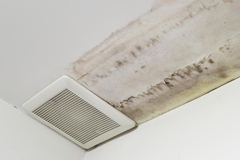
When you discover mold growing on your ceiling, it often feels like an unwelcome surprise. The presence of mold not only poses health risks but also indicates potential structural damage or poor air circulation. For folks living in Charlotte, NC, where high humidity levels are common, this problem can be particularly persistent. If you’re facing this issue, it's essential to reach out to a reputable restoration company in Charlotte and its nearby neighborhoods to ensure that you address both the mold and its underlying causes.
Mold growth in ceilings is often not just a surface issue. It can penetrate deep into the structure of your home, leading to costly repairs if not addressed promptly. Early identification and remediation of mold are crucial, as they can prevent extensive damage and aid in maintaining a healthy living environment. This blog aims to explore why mold grows on ceilings, the dangers it poses, and what you can do about it.
Why Mold Grows on Ceilings
Mold thrives in environments that offer moisture, food, and warmth. Ceilings tend to be especially susceptible because they can trap moisture due to poor ventilation or leakages from the roof.
Common Causes of Mold Growth on Ceilings:
- Roof Leaks: Even minor leaks over time can saturate ceiling materials, creating a breeding ground for mold.
- Poor Ventilation: Spaces like bathrooms and kitchens need adequate ventilation. Lack of it can result in moisture accumulation, encouraging mold.
- Condensation: Cold exterior walls combined with indoor humidity can result in condensation, which might lead to mold over time.
Health Risks Associated with Mold
The health implications of mold growing on your ceiling are significant. Mold spores can become airborne, leading to respiratory issues, allergies, and other health problems. Vulnerable individuals, such as kids, the elderly, or those with pre-existing health conditions, are at particular risk. This makes it important not only to remove the visible mold but also to deal with any hidden colonies within ceilings and walls.
Identifying Mold on Ceilings: Signs and Symptoms
Detecting mold early can save you a lot of time and money down the road. But what should you look for?
- Discoloration: Patches of green, black, or white on your ceiling could indicate mold.
- Musty Odor: A persistent musty smell is a telltale sign of mold.
- Peeling Paint or Wallpaper: Moisture behind surfaces can result in peeling, a potential indicator of mold problems.
- Water Stains: These might not be mold themselves, but they’re often a precursor to mold development.
Once these signs are apparent, professional assessment becomes crucial. Experts in water damage restoration in Charlotte and beyond can effectively diagnose the source of moisture and implement strategies that foster long-term protection against mold.
Comprehensive Mold Remediation
When dealing with mold growing on a ceiling, the objective is not just to clean up the visible mold but also to eliminate its sources and prevent recurrence.
Steps for Mold Remediation
- Assessment: Professional inspectors assess the extent of mold damage using specialized equipment.
- Containment: The area is isolated to prevent spores from spreading to other parts of the home.
- Removal: Specialized cleaners and equipment are used to completely remove the mold.
- Filtration: Air filtration is crucial for removing mold spores from the air.
- Restoration: Damaged materials might need replacing or restoration to prevent further issues.
While some homeowners try DIY methods for mild cases, it's recommended to seek expert assistance to ensure mold not only gets removed but stays gone. Restoration professionals offer comprehensive solutions, including safe disposal of mold-infested materials, which residents of Charlotte might miss doing by themselves.
Preventing Future Mold Growth
While dealing with mold is essential, prevention is the best approach. Consider these tips to keep your home mold-free:
- Improve Ventilation: Ensure that bathrooms, kitchens, and attics are properly ventilated. This helps reduce moisture buildup.
- Address Leaks Promptly: Regularly inspect your roof and plumbing, addressing any leaks immediately.
- Humidity Control: Use dehumidifiers during humid months, particularly in areas prone to dampness.
By maintaining a regular home inspection schedule, especially after adverse weather, one can significantly reduce the chances of mold reappearing.
The Role of Professional Restoration Services
For residents in North Carolina towns like Bessemer City, professional restoration services play a key role in dealing with mold-infested ceilings. Companies offering storm damage restoration can be of immense help. They have the resources and expertise to not only fix the obvious damage but also the underlying issues that contribute to mold development.
Bringing in the Experts
Ultimately, dealing with mold growing on the ceiling requires prompt action for effective and sustainable results. Prevention and timely professional intervention are key to maintaining a healthy home environment.
If you're experiencing issues with mold, particularly in humid areas, consider taking action steps like reaching out to American Restoration for their expertise in fire damage restoration in Fairforest and its surrounding areas. Their team offers comprehensive assessments, ensuring that your home is not just visually clean but also safe from potential hazards related to mold.
Address these issues now to protect both your property and your health. Look to local specialists who understand the climate specifics and who are well-equipped to tackle even the most daunting mold challenges.
Recent Posts
-
Does Alcohol Kill Mold or Only Clean the Surface?
October 03, 2026
-
Electrical Fire Safety: How to Put One Out the Right Way
October 01, 2026
-
Fall Temperatures in Charlotte, NC and What They Mean for Homeowners
September 23, 2026